OpenAI image generation workflows need budget and brand controls before campaigns ship
OpenAI image generation for SMEs needs budget limits, brand review, approval gates, and customer-proof checks before marketing campaigns ship.
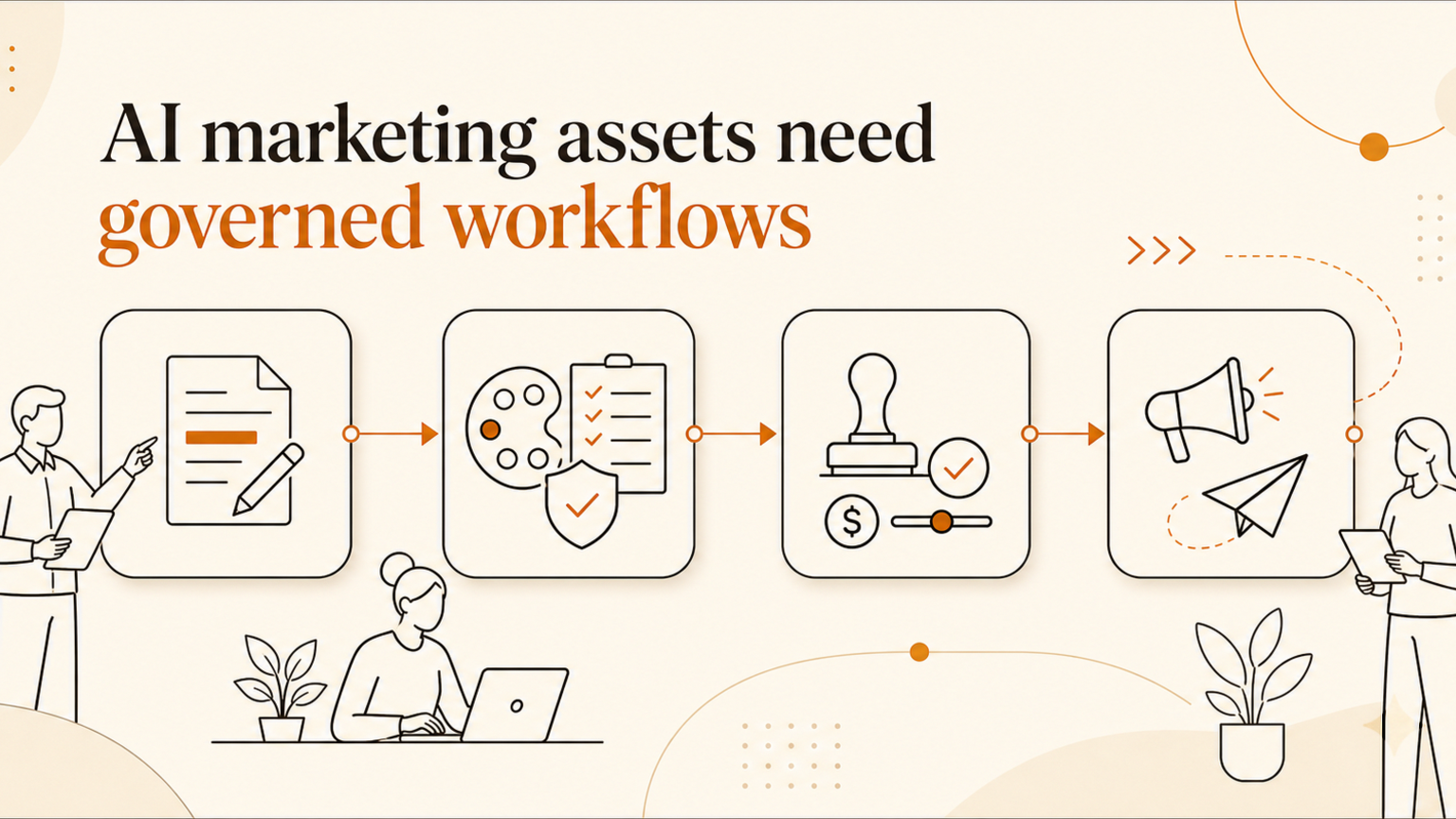
# Quick answer OpenAI image generation is becoming a normal business input, but SMEs should not treat it as unlimited creative magic. The useful question is not whether ChatGPT, Canva, or another generator can produce a
Quick answer
OpenAI image generation is becoming a normal business input, but SMEs should not treat it as unlimited creative magic. The useful question is not whether ChatGPT, Canva, or another generator can produce a logo, ad concept, social visual, or landing page draft. The useful question is whether the business has a workflow that controls who can request images, how prompts are stored, what brand checks happen, when spend is reviewed, and who approves content before it reaches customers. The 2026-08-24 GOFTUS daily SEO FAQ run made this a high-priority topic because `openai` scored 96 and `ai image generator` scored 95. That clears the Trends score rule and points to a practical buyer problem: AI-generated creative work now needs operating controls.
The same day Reddit and keyword intelligence added a live social signal. A 100-score r/ChatGPT thread said ChatGPT Pro advertises unlimited image generation but users do not experience it as truly unlimited. A 100-score r/smallbusiness thread described a founder being shamed for using Canva Pro and AI in a logo workflow. Those threads are social sentiment, not audited market data, but they show the pressure SMEs feel. AI image tools can save time, yet customers, peers, and teams still judge the final asset as brand work.
What this means for SMEs
AI image generation should sit inside a marketing workflow, not beside it as a private shortcut. A small team might use OpenAI or Canva to draft product images, blog covers, ad concepts, proposal graphics, internal decks, email banners, or social posts. That is sensible when the task is exploratory. It becomes risky when the output leaves the business without review, when usage caps surprise the team during a campaign week, or when staff cannot explain how the final image was approved.
GOFTUS recommends four practical lanes. First, create an intake lane: what asset is needed, who requested it, what customer or campaign it supports, and which brand rules apply. Second, create a generation lane: approved tools, allowed prompt ingredients, forbidden data, and budget limits. Third, create a review lane: brand fit, factual claims, trademark risk, accessibility, and whether the image implies fake numbers, fake customers, or fake endorsements. Fourth, create a shipping lane: the final approved file, where it was used, and what result the team measured.
That structure turns AI images from one-off experiments into repeatable work. It also stops the common SME trap where every new tool creates a hidden task for the founder, marketer, or operations lead. If a team cannot see the request, the prompt, the review note, the approved file, and the campaign handoff, it cannot improve the workflow next month.
Competitor lens
SaaS image tools, design platforms, prompt libraries, and marketing consultants can all be useful. They help teams move faster and explore more options. The gap is that most tools do not own the business workflow around the asset. They do not decide who is allowed to use customer data in a prompt. They do not know which claims a regulator, partner, or buyer would question. They do not connect the final image to CRM notes, support context, document approvals, or campaign reporting.
GOFTUS sits in that operating layer. We help SMEs design the workflow, integrate the right tools, add approval gates, monitor exceptions, and improve the process after real work happens. That matters more than chasing every new image model. A cheaper or more capable generator is only valuable when the business can control where it acts, how much it costs, and what proof is captured before customers see the output.
Summery for SMEs
If your team uses OpenAI or any AI image generator for business content, treat it like a controlled workflow. Start with one recurring use case, such as blog covers, ad concepts, website graphics, or sales-deck images. Name the requester, reviewer, and final approver. Put a budget rule beside the creative rule so usage caps or paid tiers do not derail delivery. Keep forbidden prompt ingredients simple: no private customer data, no fake testimonials, no fake product claims, no third-party marks unless approved, and no unsupported compliance language.
Then connect the workflow to the systems that already run the business. A marketing image may need a campaign record. A sales-deck graphic may need CRM context. A support visual may need product knowledge. A browser-based publishing step may need human approval before anything is submitted. This is where GOFTUS helps: we build the intake, approval, handoff, audit, and improvement loops around the AI tool, so the tool becomes part of the business rather than another tab that nobody controls.
FAQ
Should SMEs stop using OpenAI image generation for marketing?
No. SMEs should keep using AI image generation where it speeds up drafts, concepts, and routine content production. The change is to add workflow controls before the output is public. The strongest setup defines approved use cases, forbidden inputs, brand review steps, and a final human approval gate. That lets teams benefit from AI speed without letting private experiments become customer-facing brand decisions.
What is the first control to add?
Start with a simple request and approval record. Capture who requested the asset, what campaign it supports, which tool generated the draft, who reviewed it, and where the final image was published. That one log makes cost, brand quality, and accountability visible. From there, GOFTUS can connect the workflow into CRM, support, document, or reporting systems.
How should an SME compare OpenAI, Canva, and specialist design tools?
Compare them by workflow fit, not only output quality. Ask whether the tool supports approved users, prompt rules, file storage, review notes, export controls, and reporting. A design tool can be excellent and still create risk if the business has no approval path. The best tool is the one your team can govern consistently.
Source notes
Social signal: GOFTUS Reddit keyword intelligence for 2026-08-24 reported 100-score threads from r/ChatGPT on image generation limits and r/smallbusiness on AI-assisted Canva logo backlash. Direct Reddit RSS returned a Reddit HTML welcome page during this run, so the source is labelled as captured Reddit intelligence rather than independently scraped thread text. News cross-check: Google News RSS searches for ChatGPT unlimited image generation limits and AI image generator marketing workflows surfaced coverage from StartupHub.ai, Engadget, TechCrunch, MarTech, Hootsuite, and related marketing-technology sources. The cross-check was used at headline level, not as a claim that every article body was scraped directly.